Depicted through Charlotte Perkins Gilman’s The Yellow Wallpaper
By: Mary Gorsky
The Yellow Wallpaper by Charlotte Perkins Gilman is a short story which depicts the mental deterioration of a woman suffering from hysteria. In the story, a husband and wife have rented a home out in the countryside to help the woman recover as she has been prescribed “The Rest Cure” for her condition. It is mentioned that the woman has given birth to a child, so it can be inferred that she is suffering from what is now called postpartum depression. Throughout the story, the effects of inadequate treatment of women’s mental health disorders are shown. While this is a short story, it provides a relatively accurate account of the treatment and experience that Gilman had while she was suffering from hysteria.
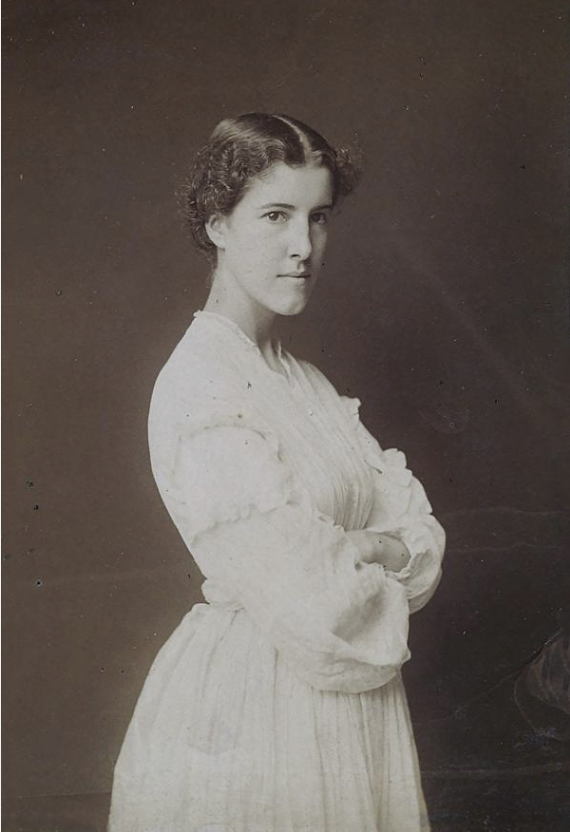
Charlotte Perkins Gilman was an “American writer, philosopher, and social reformer,” born on July 3, 1860, and died on August 17, 1935 (Käuper). In May of 1884, Gilman married Charles W. Stetson. About a year after and after giving birth to their daughter, Gilman proved to be unsuited to the demands of domestic life and was diagnosed with hysteria (Britannica). She was prescribed “The Rest Cure” which became the subject of one of her famous short stories. “The result of the treatment, she claimed, was a complete breakdown” (Herndl 52). Gilman moved to California in 1888 and began to write for several periodicals (Britannica). The Yellow Wallpaper was published in January of 1892 in The New England Magazine, and it was revolutionary as it was the first “starkly realistic first-person portrayal of the mental breakdown of a physically pampered but emotionally starved young wife” (Britannica). Throughout her life, she continued to advocate for women’s rights and call for change. She ended up taking her own life.
Only by disobeying orders, by starting to work again, to write, was Gilman able to cure herself of her hysteria”
Herndl 52
In the late 19th century, the field of mental health, especially women’s mental health, had little information, and all the available information was extremely broad. Hysteria was one of the few mental health issues recognized in the 19th century along with puerperal insanity (which is a form of hysteria that women develop after giving birth), however both were excluded from the International Classification of Diseases in the 20th century, as many of the cases seemed to belong to other mental disorders (Loudon). Its removal shows just how broad of a diagnosis hysteria was. Not only did women who were diagnosed with puerperal insanity suffer from different mental health disorders, but many were also “suffering from the delirium of fever due to an infective condition; sometimes it was a breast abscess and sometime puerperal fever, or some other infection not necessarily related to childbirth” (Loudon). The diagnosis of puerperal insanity was a quick way to label postpartum women as insane and brush aside all their valid symptoms.
As stated, puerperal insanity was an extremely broad diagnosis, but there were three terms- puerperal insanity, puerperal mania, and puerperal melancholia. Insanity and mania were often used synonymously, but melancholia was not. Melancholia was a “disorder of the emotions rather than the intellect” (Loudon). Melancholia could progress into insanity, but the diagnosis of insanity was given when there was an “acute and sudden onset of mania (‘raving madness’)” (Loudon). Symptoms of puerperal insanity had a vast range. The symptoms emphasize the three classifications as the symptoms range from: gloom, fear, highly excitable, irritable, incoherence, madness, “restlessness leading to violence” (Loudon).
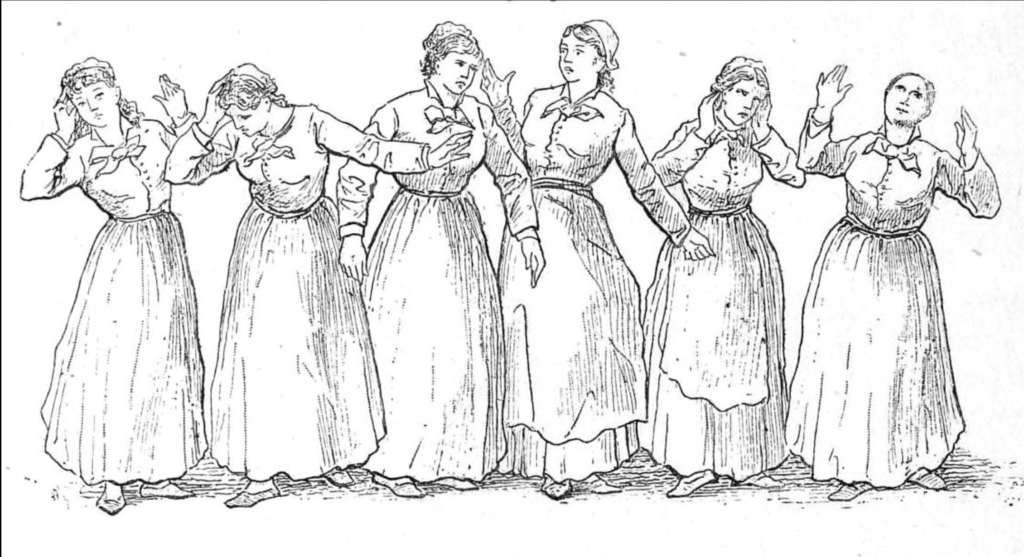

Not only was the disease itself extremely misunderstood, but so were the causes. There were “two dominant approaches towards mental disorders, the ‘magic-demonological’ and ‘scientific’ views in relation to women: not only is a woman vulnerable to mental disorders, she is weak and easily influenced (by the ‘supernatural’…), and she is somehow ‘guilty’ (of sinning or no procreating)” (Tasca, et al.). In short, some believed that women were more susceptible scientifically to mental health issues, or that women were guilty because they has not procreated (sinning). Until Freud, it was believed that hysteria was caused by the lack of conception and motherhood and that it was an exclusively female disease (Tasca et al.). Freud refuted this claim by stating that hysteria itself is what causes women to not have children. However, this cause does not explain the diagnosis of puerperal insanity. There were many presumed causes of puerperal insanity, including toxemia, inflammation, or the uterus being out of place. These presumed causes would link the suggestion that many women who were diagnosed with puerperal insanity were suffering from a physical disease leading to toxic psychoses (Loudon).
There was an extremely enormous range of treatments available for puerperal insanity, ranging from drugs to “The Rest Cure” to medical vibrators. Many doctors prescribed drugs to promote sleep such as naphthalin and morphine. If a patient was feeling particularly restless, alcohol was prescribed (Carpenter). Dr Blanford, a doctor in the 19th century who authored the book Insanity and its Treatment, “recommended a diet which featured alcohol at almost every meal” (The College of Physicians of Philadelphia).
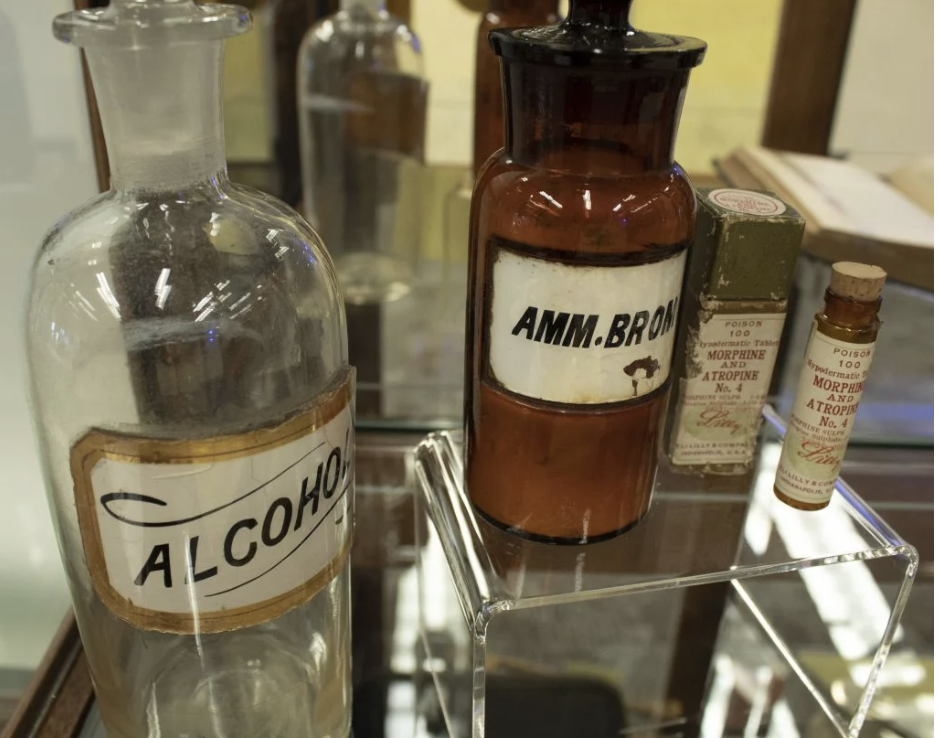
https://hsl.ecu.edu/2019/07/01/mental-health-therapies-then-and-now/
As antidepressant drugs were not available in the 19th century, doctors also treated hysteria with “regimens of rest relaxation” (The College of Physicians of Philadelphia). “The Rest Cure” was a treatment created by Silas Weir Mitchell which “required 6 to 8 weeks (about 2 months) of bed rest and isolation. The patient had to relinquish control of her life by allowing the doctor and nurse to do everything for her, including bathing and eating” (Carpenter). Women were encouraged to live a completely domestic life and avoid all forms of mental and intellectual stimulation.
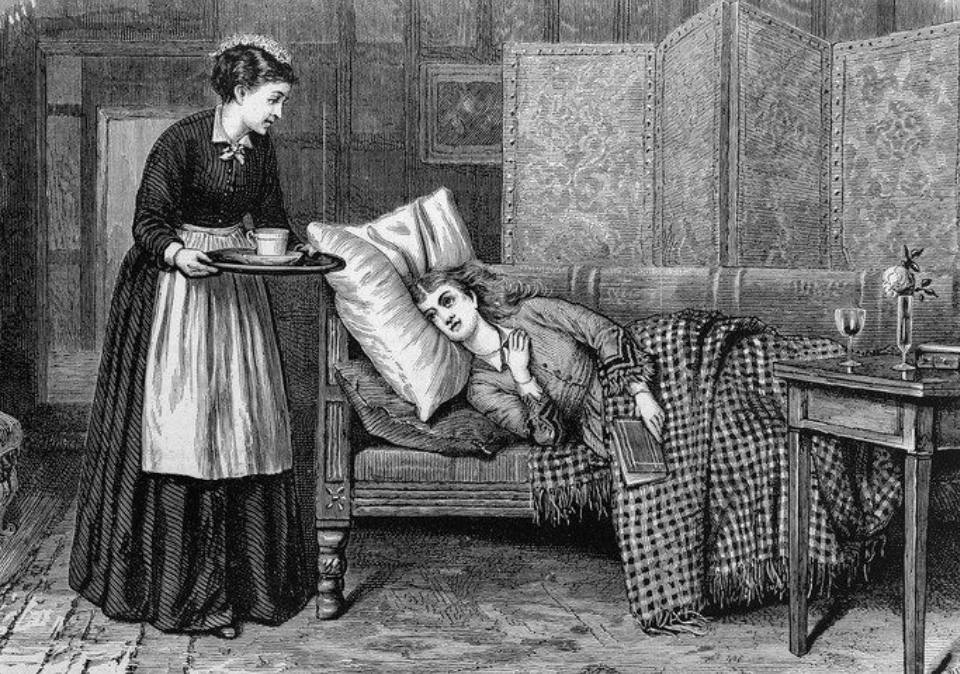
Another strange treatment was the use of smelling salts in putting the womb back into place. Women were encouraged to sniff the salts when “their emotions were high” and it was believed that “their womb would fall back onto place because the womb disliked the smell of the salts” (Mason).

https://miamioh.edu/cca/news/2015/10/hysteria.html
The use of medical vibrators is one of the most disturbing forms of treatment used to treat hysteria in women. Physicians would administer pelvic massages using their hands or electronic vibrators. During the 19th century, “physicians believed that clitoral stimulation through medical pelvic massage could effectively reduce symptoms of hysteria” (Horwitz). This stimulation was not seen as sexual as it was believed for a woman to become sexually aroused, ther must ben vaginal penetration.
If the female patient became flushed and relieved during the pelvic massage treatment for hysteria, physicians explained that she was experiencing a hysterical paroxysm, which is now known as an orgasm. That signified that the treatment was successful and the physician would believe the patient to be relieved of her negative symptoms attributed to hysteria.”
Horwitz
The most invasive treatment, and disturbing treatment, was the removal of the uterus. As some believed that puerperal insanity was caused by inflammation of the uterus, doctors would remove the inflamed uterus. All these treatments used in the 19th century and the opposite of the treatments prescribed today, as many if not all these treatments and procedures made the patients worse off.
“Live as domestic of a life as possible… And never touch pen, brush, or pencil as long as you live”
Dr. Mitchell to Gilman
After thorough research on puerperal insanity, it is clear the main character in The Yellow Wallpaper was suffering from puerperal melancholia initially which then manifested into puerperal insanity or mania. A re-reading of the story after research allowed for a clearer understanding of her treatment and what she was going through. When discussing her treatment, she stated “I take phosphates or phosphites- whichever it is, and tonics, and journeys, and exercise, and am absolutely forbidden to ‘work’ until I am well again…I have a schedule prescription for each hour in the day; he [John, her husband] takes all care from me…” (Gilman 648). This quotation shows just how little control she had over her own treatment as she did not even know what the drugs she was taking were called. Her husband was also the one giving them to her at each hour of the day, she did not even have the autonomy to take them on her own. This accurately reflects the research as women were forced to give up their agency during their treatment and be taken care of entirely. This piece of evidence also made when the woman said “take all care from me” very poignant (Gilman 648). After research and rereading, the use of the word “from” instead of “of” was much more significant as research showed that the women were stripped of their right to take care of themselves.
She also mentioned exercise, which is interesting because she hardly ever did so. She goes outside and walks in the garden one time when John is away, but that is the only instance of any form of exercise. Also, for women, exercise was not prescribed when being treated for hysteria. “Work” being in quotations is important as she was forbidden from doing anything that exerted her in anyway, so the quotations emphasize the irony of the word work.
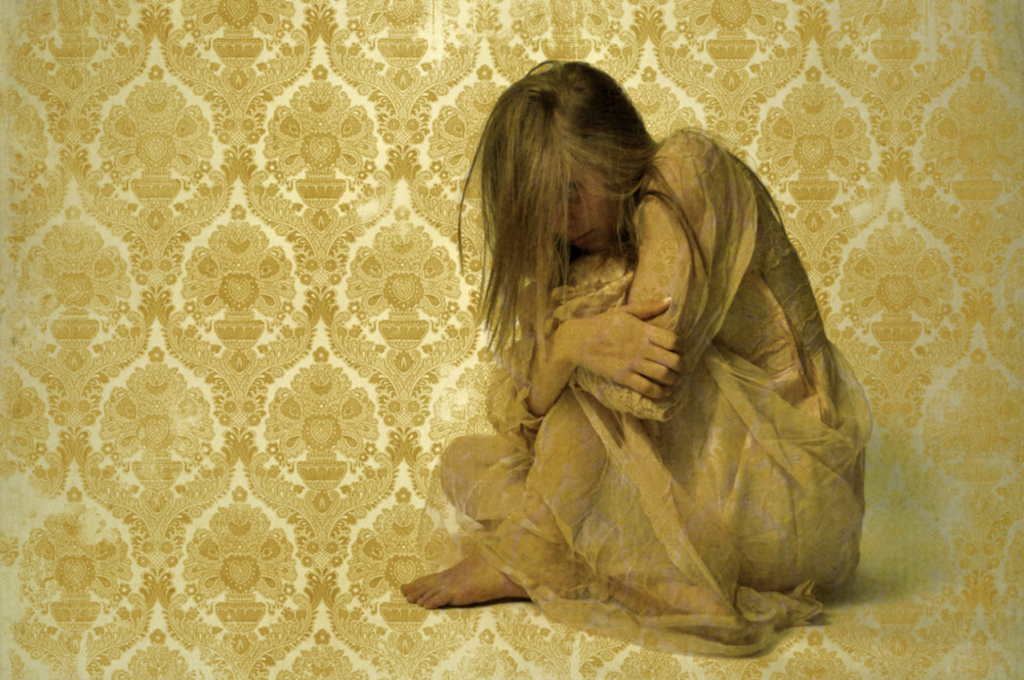
The progression of her disease also makes more sense after in-depth research on puerperal insanity. The development of symptoms aligns with what was stated in the research. It was found during research that puerperal insanity usually begins as puerperal melancholia and can often manifest into mania, which was the case for Gilman’s main character. Early in the novel, the women stated, “I’m getting dreadfully fretful…I cry at nothing, and cry most of the time” (Gilman 650). This description aligns with the symptoms of gloom and fretfulness that coincide with those of puerperal melancholia. At the end of the novel, there was a shift in the woman’s emotions as she stated, “I am getting angry enough to do something desperate. To jump out of the window…” (655). This shift illustrates just how her condition has worsened to a case of puerperal insanity as her symptoms are now madness and “restless leading to violence” (Loudon). The research allowed for a better understanding of the progression of her symptoms and what they indicated.
Works Cited
Carpenter, Layne. “Mental Health Therapies: Then and Now.” ECU, 1 July 2019, hsl.ecu.edu/2019/07/01/mental-health-therapies-then-and-now/.
“Charlotte Perkins Gilman.” Encyclopaedia Britannica, Encyclopaedia Britannica, inc., www.britannica.com/biography/Charlotte-Perkins-Gilman. Accessed 9 Dec. 2024.
Gilman, Charlotte Perkins. The Yellow Wallpaper. Virago Press, 1981.
Horwitz, Rainey. “Medical Vibrators for Treatment of Female Hysteria.” Medical Vibrators for Treatment of Female Hysteria | Embryo Project Encyclopedia, embryo.asu.edu/pages/medical-vibrators-treatment-female-hysteria. Accessed 9 Dec. 2024.
Käuper, Kristin. “Gilman, Charlotte Perkins (1860-1935).” Historyofwomenphilosophers.Org, historyofwomenphilosophers.org/project/directory-of-women-philosophers/gilman-charlotte-perkins-1860-1935/. Accessed 9 Dec. 2024.
Herndl, Diane Price. “The Writing Cure: Charlotte Perkins Gilman, Anna O., and ‘Hysterical’ Writing.” NWSA Journal, vol. 1, no. 1, 1988, pp. 52–74, http://www.jstor.org/stable/4315866.
Loudon, I. “Puerperal Insanity in the 19th Century.” Journal of the Royal Society of Medicine, vol. 81, no. 2, Feb. 1988, pp. 76–79, https://doi.org/10.1177/014107688808100207.
Mason, Sara. “From Reality to Fiction: How Women’s Mental Health Was Portrayed in 19th Century Literature.” Eastern Kentucky University , 2022, pp. 1–38.
Tasca, Cecilia, et al. “Women and Hysteria in the History of Mental Health.” Clinical Practice and Epidemiology in Mental Health : CP & EMH, U.S. National Library of Medicine, 19 Oct. 2012, pmc.ncbi.nlm.nih.gov/articles/PMC3480686/.
“Victorian Mental Health and Women, Part Three: Treating Depression.” The College of Physicians of Philadelphia | Birthplace of American Medicine, collegeofphysicians.org/programs/education-blog/victorian-mental-health-and-women-part-three-treating-depression. Accessed 8 Dec. 2024.